Cessna Nose Gear Strut Assembly: Aircraft Landing Gear Support and Shock Absorption
Cessna Nose Gear Strut Assembly: Aircraft Landing Gear Support and Shock Absorption
Blog Article
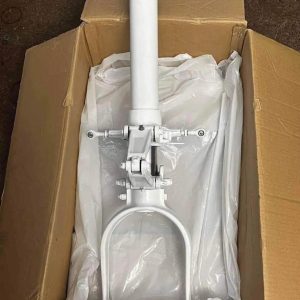
The Cessna Nose Gear Strut Assembly is an important landing-gear component designed to support the forward section of a compatible aircraft during taxiing, takeoff, landing, parking, towing, and routine ground operations.
The Cessna Nose Landing Gear Strut, Cessna Nose Cessna Front Landing Gear Assembly Gear Assembly, Cessna Landing Gear Strut, and Cessna Nose Strut descriptions identify closely related searches for the aircraft’s forward landing-gear structure.
A Cessna Front Landing Gear Assembly may include an Aircraft Nose Gear Strut, wheel fork, steering parts, attachment hardware, seals, bearings, and other model-specific components.
The Cessna Nose Gear Shock Absorber, Cessna Landing Gear Assembly, Aircraft Landing Gear Strut, and Cessna Nose Wheel Strut phrases highlight the component’s role in supporting loads and controlling ground impacts.
A Cessna Steering Strut Assembly may interact with steering rods, collars, torque links, springs, stops, bushings, and model-specific linkage components.
Key Details of an Aircraft Nose Strut
A unit should not be accepted as compatible solely because it came from an aircraft within the same general Cessna family.
The buyer should determine whether the listing includes a complete Cessna Nose Gear Assembly or only selected parts of the system.
How the Nose Gear Supports the Airframe
System-level evaluation is essential when selecting or inspecting the component.
A replacement strut cannot correct damaged airframe attachment points or distorted landing-gear geometry by itself.
Managing Landing and Taxi Impacts
Proper operation depends on correct servicing, internal condition, seal integrity, surface finish, alignment, and absence of contamination.
Incorrect pressure or fluid quantity can influence ground clearance, steering, ride quality, and structural loading.
Maintaining Predictable Taxi Control
Each component should move smoothly and remain free from excessive play, binding, distortion, corrosion, and unsuitable modification.
Towing procedures should respect the aircraft’s steering limitations.
Avoiding Universal Cessna Fitment Claims
Model-specific verification reduces unsuitable purchases and installation delays.
The donor aircraft may provide useful history but does not independently establish eligibility for another aircraft.
Evaluating the Cessna Nose Strut Body
Paint, grease, or contamination should not conceal suspected defects.
The piston should move through the permitted range without binding, roughness, excessive side play, or abnormal resistance.
Preventing Contamination and Seal Damage
The strut should be inspected after cleaning and appropriate servicing to determine whether leakage returns.
Seal replacement should use components appropriate to the exact strut assembly and aircraft configuration.
Protecting Cessna Landing Gear Components
Surface discoloration should be evaluated rather than dismissed automatically as cosmetic.
Responsible preservation helps maintain the Cessna Nose Gear Assembly.
Determining the Need for Nondestructive Testing
The absence of obvious damage in photographs does not establish structural integrity.
Straightening, welding, machining, or other repair history should be documented.
Understanding Included Landing Gear Components
The axle should remain dimensionally suitable, smooth, correctly secured, and free from severe wear or thread damage.
Wheel bearings, seals, spacers, and retaining hardware should be evaluated separately rather than assumed serviceable because they are attached to the assembly.
Preventing Nose Gear Shimmy
Dimensional inspection supports a durable repair.
Pivot points should move freely without binding while remaining within acceptable play limits.
Understanding Ground Vibration Causes
The technician should inspect the complete nose gear and steering system before selecting corrective action.
Tire condition should be reviewed together with the strut, wheel, fork, axle, and steering components.
Understanding Strut Inflation Procedures
Values from another Cessna model should not be applied without verification.
Pressurized components require suitable precautions because uncontrolled release can cause injury or damage.
Overhaul and Reconditioning Considerations
A seal replacement or exterior repaint does not necessarily constitute a complete overhaul.
Reconditioning decisions depend on structural condition, dimensional limits, corrosion depth, surface damage, repair data, parts availability, and cost.
Cessna Front Gear Condition Review
A pre-purchase review should confirm the exact part number, configuration, aircraft applicability, serial markings, dimensions, included components, removal reason, condition, repair history, and documentation.
- Resolve identity, applicability, condition, and package-completeness questions before payment.
- Confirm total time when known, removal reason, donor aircraft, overhaul history, servicing status, seal replacement, and inspection results.
- Retain purchase records, photographs, measurements, inspection reports, maintenance documents, release paperwork, and freight records with the aircraft project file.
Aircraft Component Crating Requirements
Open ports and servicing fittings should be covered using suitable protective methods.
Careful freight preparation reduces damage to the Cessna Landing Gear Assembly.
Preparing a Stored Assembly for Service
During storage, the strut should remain clean, dry, supported, labeled, and protected from impact, moisture, chemicals, dust, and uncontrolled handling.
Extended storage may require renewed inspection, seal evaluation, cleaning, servicing, and corrosion review before installation.
Preparing for Ground-Handling Checks
Installation should be completed by appropriately qualified aviation maintenance personnel using applicable Cessna airframe, landing-gear, steering, and component information.
Disciplined workmanship supports reliable Cessna Front Landing Gear Assembly operation.
Taxi checks should begin conservatively and should monitor shimmy, pulling, vibration, abnormal noise, leakage, and steering behavior.
Reducing Landing Gear Wear
Consistent care supports dependable Cessna Nose Landing Gear Strut operation.
Pilots and operators should report steering changes, unusual compression, leakage, vibration, or tire wear promptly.
Evaluating Used Aircraft Gear Pricing
The commercial value of a Cessna Nose Gear Strut Assembly depends on exact identification, aircraft applicability, completeness, physical condition, corrosion status, leakage, repair history, overhaul records, included hardware, and documentation.
Commercial evaluation should focus on verified suitability rather than promotional claims.
Selecting General Aviation Landing Gear Parts
The Cessna Nose Gear Strut Assembly may suit private aircraft owners, flight schools, maintenance organizations, restorers, aviation dealers, and general aviation operators seeking an identifiable landing-gear component.
The unit should not be judged solely through clean paint, smooth compression, removed-serviceable wording, or purchase price.
Whether buyers need a Cessna Front Landing Gear Assembly, Aircraft Nose Gear Strut, Aircraft Nose Landing Gear Assembly, or Cessna Shock Strut Assembly, current physical condition should be verified.
With responsible purchasing, crack and corrosion inspection, seal evaluation, correct hardware, controlled servicing, and ground-handling checks, the component can remain a valuable aviation asset.
Report this page